01
وقتی سپاه ایران وارد مازندران شد، دیوان جادو کردند.
Vaghtee sepâh-e Irân vâred-e Mâzandarân shod, deevân jâdu kardand.
When the army of Iran entered Mazandaran, the demons cast their spells.
Chapter 1
پیشدرآمد · داستان کیکاووس و آهنگ حَملِه به مازندران
How the King fell, and how Rostam was called.
داستانش را میتونی بگی؟
Can you tell its story?
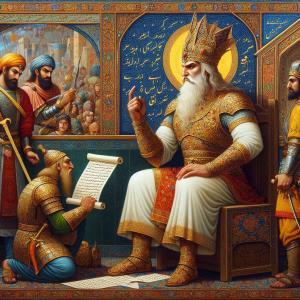
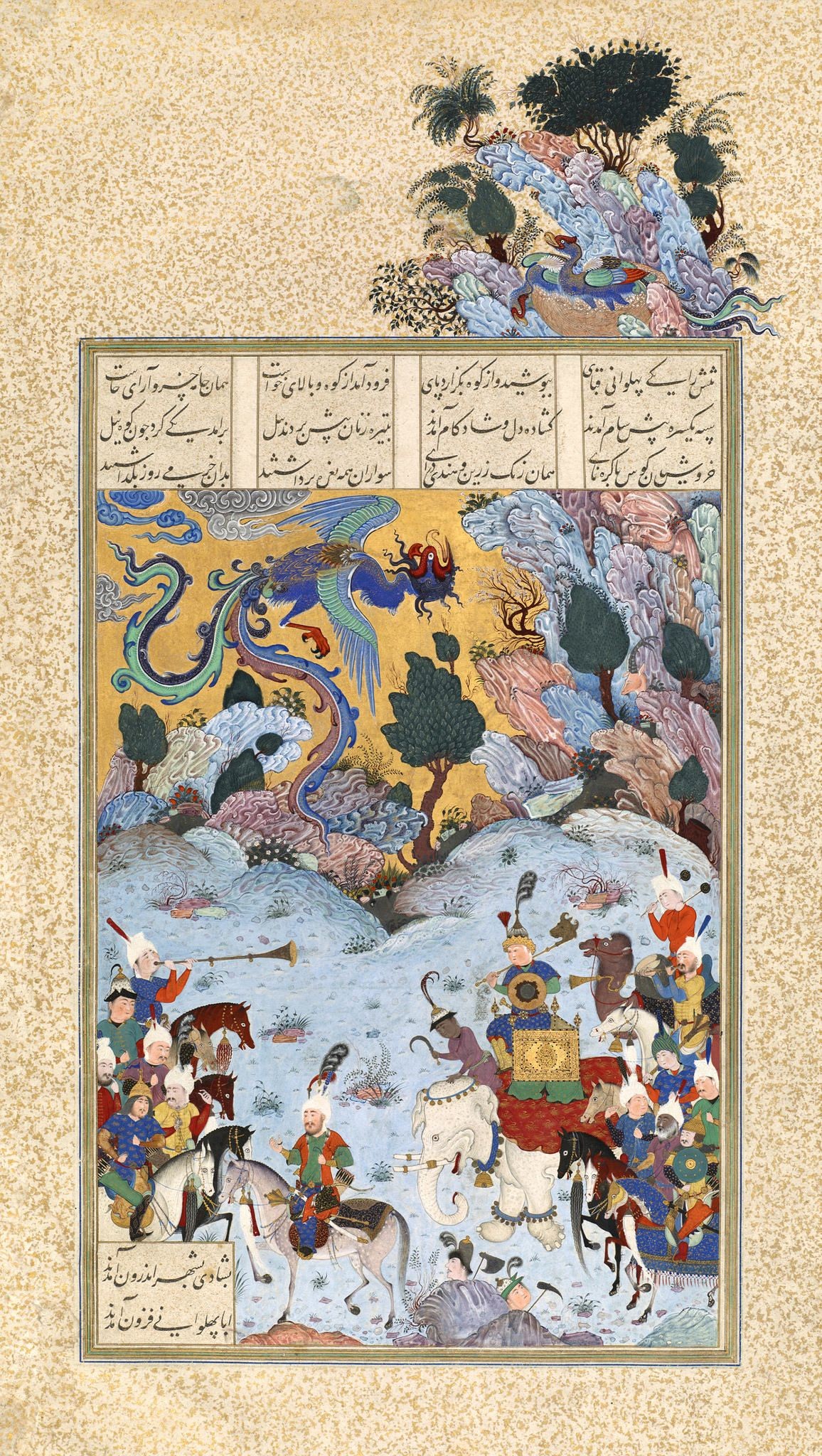
تو عکس چی میبینی؟
What do you see in the picture?
Key words
وقتی سپاه ایران وارد مازندران شد، دیوان جادو کردند.
Vaghtee sepâh-e Irân vâred-e Mâzandarân shod, deevân jâdu kardand.
When the army of Iran entered Mazandaran, the demons cast their spells.
آسمان تاریک شد، باد سرد وزید و سپاه ایران کور شد.
Âsmân târeek shod, bâd-e sard vazeed va sepâh-e Irân kur shod.
The sky darkened, a cold wind blew, and the army of Iran was struck blind.
کیکاووس و همهی سربازانش گرفتار شدند.
Keykâvus va hame-ye sarbâzânash gereftâr shodand.
Kay Kāvus and all his soldiers were taken captive.
آنها را در کوههای بلند و تاریک زندانی کردند.
Ânhâ râ dar kuh-hâ-ye boland o târeek zendânee kardand.
They were imprisoned in tall, dark mountains.
کیکاووس پشیمان شد، ولی دیگر دیر شده بود.
Keykâvus pasheemân shod, valee deegar deer shode bud.
Kay Kāvus repented — but it was already too late.
در این زمان، زال در زابلستان بود.
Dar een zamân, Zâl dar Zâbolestân bud.
At that time, Zāl was in Zābolestān.
او خبر گرفت که پادشاه ایران در بند دیوان است.
Oo khabar gereft ke pâdshâh-e Irân dar band-e deevân ast.
He received word that the king of Iran was held in the demons' chains.
زال ناراحت شد و گفت:
Zâl nârâhat shod va goft:
Zāl grew troubled and said:
«فقط یک نفر میتواند کیکاووس را نجات دهد: رستم.»
«Faghat yek nafar meetavânad Keykâvus râ nejât dahad: Rostam.»
"Only one man can save Kay Kāvus: Rostam."
زال رستم را صدا زد و گفت:
Zâl Rostam râ sedâ zad va goft:
Zāl called Rostam to him and said:
«پسرم! پادشاه و سپاه ایران گرفتار شدهاند. باید بروی و آنها را آزاد کنی.»
«Pesaram! Pâdshâh va sepâh-e Irân gereftâr shode-and. Bâyad beravee va ânhâ râ âzâd konee.»
"My son! The king and the army of Iran have been captured. You must go and set them free."
رستم گفت: «من آمادهام. برای ایران میجنگم.»
Rostam goft: «Man âmâde-am. Barâ-ye Irân meejangam.»
Rostam said: "I am ready. I will fight for Iran."
رستم با اسب نیرومندش، رخش، راهی مازندران شد.
Rostam bâ asb-e neeroomand-ash, Rakhsh, râhee-ye Mâzandarân shod.
Rostam set out for Mazandaran with his mighty horse, Rakhsh.
راه بسیار طولانی و پرخطر بود.
Râh besyâr toolânee va por-khatar bud.
The road was very long and full of peril.
در این سفر، رستم باید از هفت خوان میگذشت؛ یعنی هفت مرحلهی سخت و ترسناک.
Dar een safar, Rostam bâyad az haft khân meegozasht; yanee haft marhale-ye sakht va tarsnâk.
On this journey Rostam had to pass through the Haft Khān — seven hard and fearsome trials.